Physical Address
304 North Cardinal St.
Dorchester Center, MA 02124
Physical Address
304 North Cardinal St.
Dorchester Center, MA 02124

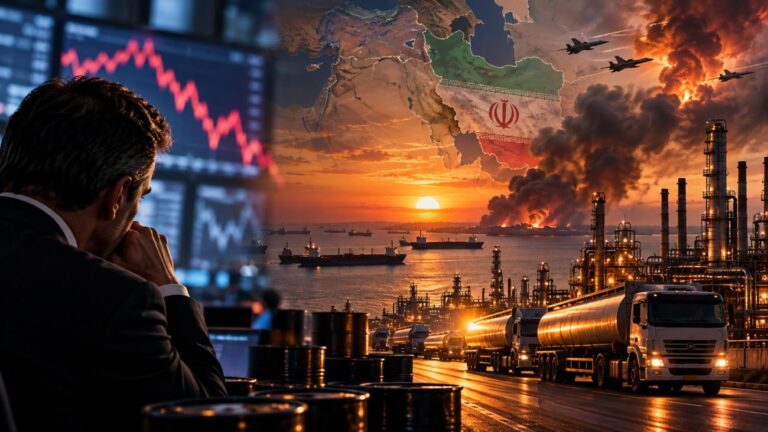
The Bitcoin community has spent years dismissing quantum computing threats as FUD reserved for altcoin promoters and gold bugs. That posture is no longer tenable. This week, cypherpunk and Bitcoin Core developer Jameson Lopp, alongside five co-authors, published BIP-361, a formal three-phase proposal to freeze all coins sitting in quantum-vulnerable legacy addresses. The backlash was immediate, fierce, and overwhelmingly negative. Somewhere around 95% of replies on X opposed it. And yet, the people screaming loudest against BIP-361 have not offered a coherent alternative. That is the real story here for anyone watching Bitcoin from an investment angle.

A TikTok is doing the rounds in personal finance circles. Two friends, Jake and Marcus, each start with $50,000. Jake buys a rental property. Marcus buys index funds. The video walks through ten years of numbers and concludes, more or less, that the spreadsheet favours Marcus. Comment sections are filling up with people treating this as settled science. It is not.

Most people treat Middle East conflict as background noise. A tragic headline that scrolls past between sports scores and stock tickers. Something geopolitically significant, but practically distant from the real business of managing a retirement portfolio, keeping up with inflation, and making sure your income lasts longer than you do. That assumption is exactly what gets retirees into trouble.

For the better part of eight decades, a quiet arrangement underpinned global stability. The United States provided the security umbrella. Allies sheltered beneath it, built export-driven economies, kept defence budgets lean, and grew wealthy. It was, by historical standards, an extraordinary deal. That deal is fraying. Not all at once, not dramatically, but structurally and irreversibly. The signals are everywhere: transactional diplomacy, tariff aggression directed at allies, wavering commitments to NATO Article 5, and a domestic political mood that views overseas obligations as subsidies to freeloaders. Whether one reads this as strategic repositioning or imperial fatigue, the consequence for Washington's vassal states is identical. They must now think for themselves.

There is an old thought experiment in risk management called the single point of failure. Engineers obsess over it. Investors should too. The idea is simple: a system that depends on one node to function is not a system at all. It is a trap waiting to spring. Right now, the global food system has a single point of failure. It is 21 kilometres wide. It sits between Iran and Oman. And the entity currently deciding who passes through it is not a multinational institution, a trade body, or a neutral arbitrator. It is a nation that has been bombed for weeks and has every incentive to make the world feel the cost.

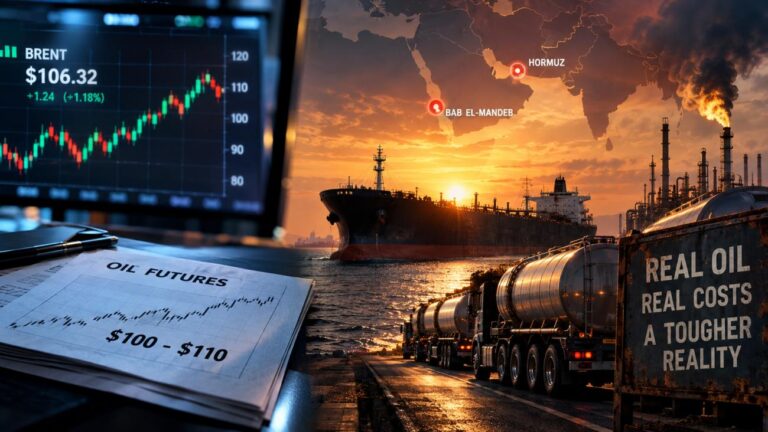
The world is watching what looks like an energy crisis unfold. Emergency meetings across Europe and Asia. Oil prices surging past $100 a barrel. Shipping lanes choked off by military conflict. And all of it traces back to one narrow strip of water between Iran and Oman that handles roughly 20% of global petroleum liquids consumption every single day. The Strait of Hormuz is the single most important energy chokepoint on the planet. But the story most people are telling about it is incomplete. Because what is happening in the strait right now is not simply a supply disruption. It is an asymmetric geopolitical event, and understanding who it hurts versus who it helps changes the entire picture.

The announcement of a two-week ceasefire between the United States, Israel, and Iran has sent shockwaves through global energy markets. Oil prices dropped sharply, with Brent crude falling more than 15 percent to around 92 dollars per barrel and West Texas Intermediate plunging similarly to near 94 dollars. Stocks rallied on the news, reflecting investor relief over the potential reopening of the Strait of Hormuz. Yet beneath the surface, questions linger about the true intent behind this short-term pause. Could this be a calculated maneuver by America and Israel to reposition forces while engineering a temporary dip in oil prices? Or is it a genuine step toward de-escalation? This analysis explores the probabilities and market implications for investors.

The headlines keep telling you to expect higher food prices. That framing is doing a lot of quiet work. It keeps you calm. It keeps you passive. It positions a supply shock of historic proportions as a minor inconvenience rather than the structural rupture it actually is. This is not a food prices story. This is a harvest story. And the harvest window is already closing.

Retail investors in 2026 navigate volatile markets and constant social media noise about quick gains in stocks, crypto, or artificial intelligence plays. Amid this hype, practical retirement planning advice gains strong traction on X. Threads repeatedly stress maximising employer 401k matches, funding Roth IRAs early, and building retirement accounts before chasing speculative investments.

Retail investors in 2026 face relentless temptation from social media. Viral posts…